
Anew Era TMS & Psychiatry Huntington Beach, California
Anew Era TMS & Psychiatry provides transcranial magnetic stimulation also known as TMS Therapy for Depression in Huntington Beach, CA. Depression is a serious mental health condition that impacts approximately 16 million Americans each year. Living with depression is akin to shifting one’s world from vibrant color to bleak tones of gray, removing life and vitality from every aspect of living. Feelings of listlessness, despair, persistent sadness and deep fatigue punctuate the days. With no energy or motivation to participate in life, days become defined by sleep and watching television. Living with depression is not living at all. If you have been struggling with depression and have found no relief from symptoms from anti-depressants, TMS is an excellent option for you to review and consider.
Depression Treatment Huntington Beach, California
TMS therapy is a revolutionary alternative therapy that has offered renewed hope to patients with persistent depression who were not successfully treated with conventional treatment methods. It is common that people who are seeking help from a psychiatrist for their depression with antidepressants find little relief. The disappointing reality is that a large percentage of people who trial antidepressants do not experience successful results. Even trialing several antidepressants may not yield any significant improvement in symptoms. And if that isn’t frustrating enough, while trialing the drugs many experience unpleasant side effects (weight gain, sexual dysfunction, nausea, insomnia, blurred vision). Sometimes when every avenue such as therapy, psychotherapy, medications, counseling, and more have been tried but unsuccessful, there can be a loss of hope. TMS Therapy provides new hope.
These treatment-resistant patients have an excellent alternative depression treatment to antidepressants: Transcranial magnetic stimulation (TMS). TMS is a safe and effective technique that uses magnetic fields to shift brain chemistry in the mood center of the brain. The brain stimulation technique can result in improved mood, better sleep quality, more energy, and better concentration. If you are struggling, talk to your psychiatrist about how TMS Therapy could help you.
Request a Call Back for a Free Consultation:
Huntington Beach, California TMS Treatment
TMS therapy for depression requires no anesthesia, no surgery, and no recovery time. A professional will provide a mental health assessment to determine the level of anxiety and depression and conduct a plan that works for you. The patient will be fully alert during the therapy sessions, seated comfortably in an office setting. A coil is positioned over the scalp, through which magnetic pulses will flow. As the magnetic pulses penetrate the scalp electrical currents are induced that will target the left prefrontal cortex of the brain. As the currents reach about 2 cm in-depth into the brain tissue the underactive brain cells are then stimulated. Over the 4-6 week course of treatment, this process will help to reset the brain chemistry, which results in improvement of depression symptoms.
TMS Therapy for Depression Huntington Beach, California
There are different forms of depression within the depression spectrum. TMS therapy can treat different types of depression in patients who are medication-resistant, including:
- Major depressive disorder (MDD). MDD is diagnosed when 5 of the 9 diagnostic criteria established in the DSM-5 have persisted for more than two weeks.
- Seasonal affective disorder (SAD). SAD occurs during the winter months when limited daylight can result in depression. Lack of vitamin D, which is derived from sunlight, is a component.
- Post-partum disorder. Following childbirth, some women experience extreme depression symptoms, mood swings, anger, and anxiety triggered by extreme hormonal shifts.
- Premenstrual dysphoric disorder. A severe form of PMS that features extreme mood swings, sadness, irritability, and anger.
- Persistent depressive disorder (dysthymia). Dysthymia features long-term low mood that persists for more than two years with two other symptoms of depression from the list of criteria.
Anew Era TMS & Psychiatry Huntington Beach provides a free depression screening tool to help individuals determine if they are exhibiting the criteria outlined in the DSM-5 for major depressive disorder (MDD).
Types of Depression
Type of Mental Health Disorders Treated by TMS
Transcranial Magnetic Stimulation treats the source of depression by sending magnetic pulses to the targeted part of the brain that stimulates sluggish chemicals. TMS Therapy can be used as a treatment method for a number of mental health disorders, including:
- Depression
- Major Depressive Disorder (MDD)
- Anxiety
- General Anxiety Disorder (GAD)
- Panic disorder
- Bipolar Disorder
- Obsessive-Compulsive Disorder (OCD)
- Addiction treatment
- Mood disorder
- Postpartum depression
- Dysthymia
- Seasonal affective disorder
- Premenopausal dysphoric disorder depression
PHQ-9 Depression Screening
Anew Era TMS & Psychiatry offers an online version of the commonly used Depression Screening tool called the PHQ-9. The nine items of the PHQ-9 are based directly on the nine diagnostic criteria for major depressive disorder in the DSM-IV.
Meet Our Mental Health Experts: Psychiatrists & Therapists
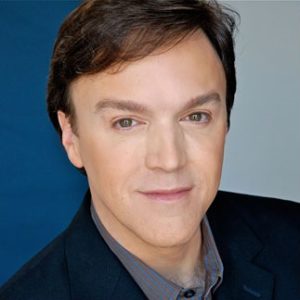
Terry Eagan, MD
Chief Medical Officer
Dr. Terry Eagan brings to Anew Era TMS & Psychiatry an extensive body of professional experience in the field of psychiatry, encompassing both his clinical private practice and multiple Medical Director positions where he provides medical and psychiatric oversight of mental health treatment centers. Dr. Eagan’s diverse background includes the founding of various institutes that focus on providing specialized and innovative treatment for a variety of psychiatric disorders.
Dr. Eagan received his medical degree from the University of Tennessee College of Medicine, and completed an internship and residency at the Departments of Psychiatry and the Behavioral Sciences at USC. Dr. Eagan provided clinical oversight over multiple clinical trials, served as a medical consultant to a variety of television shows, and is the author of multiple books in his field.
Dr. Eagan’s diverse professional experience in treating depression, anxiety disorders, dual diagnoses, eating disorders, and more makes his contributions as Chief Medical Director of AnewEra TMS highly efficacious in improving client’s overall quality of life.
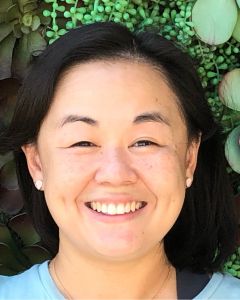
Heather Mak, MD
Psychiatrist
Dr. Heather Mak is a psychiatrist with experience in helping patients with issues like hyperactivity disorder, anxiety, bipolar disorder, post-traumatic stress disorder, and obsessive-compulsive disorder. Dr. Mak welcomes patients at Anew Era TMS & Psychiatry in Torrance, Orange, and Newport Beach, CA. During consultations, she attentively listens to her patients and prepares individualized treatment plans, combining medications and talk therapy. She also addresses caregiver concerns and conducts psychiatry follow-ups to monitor progress. Dr. Mak is a highly qualified professional with a medical degree from Rutgers, The State University of New Jersey. Additionally, she is certified in psychiatry by the American Board of Psychiatry and Neurology.

Priti Bhardwaj, MD
Psychiatrist
Dr. Priti Bhardwaj knows how difficult it can be to seek help, but by doing so you’re taking a step closer to where you want to be. Struggles with anxiety, depression, attention, and insecurity interfere with our emotional and physical well-being as well as our ability to connect with others. Her goal with patients and families is to provide a warm, safe, and accepting environment for them to communicate the difficulties and challenges they face and work on finding solutions that nourish them toward becoming the healthiest and best version of themselves. Dr. Priti is a double board-certified General Adult Psychiatrist who is also board certified in Integrative Medicine (ABIM). She will use her knowledge of psychopharmacology, psychotherapy, and holistic approaches to collaborate with you. Each person is seen as an individual and is encouraged to be an active participant in their own treatment.

J Paul Gatdula MSN, APRN, PMHNP-BC
Psychiatric Mental Health Nurse
Practitioner
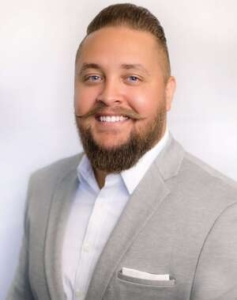
Dexter Jones MSN, PMHNP-BC
Psychiatric Mental Health Nurse
Practitioner